
Tiny Homes in Queensland
Buying a tiny home in Queensland: requirements and what you need to know
Tiny homes can be a great option, but they need to meet building approval requirements like any other home when you plan to live in them. Here is what to keep in mind before you buy:
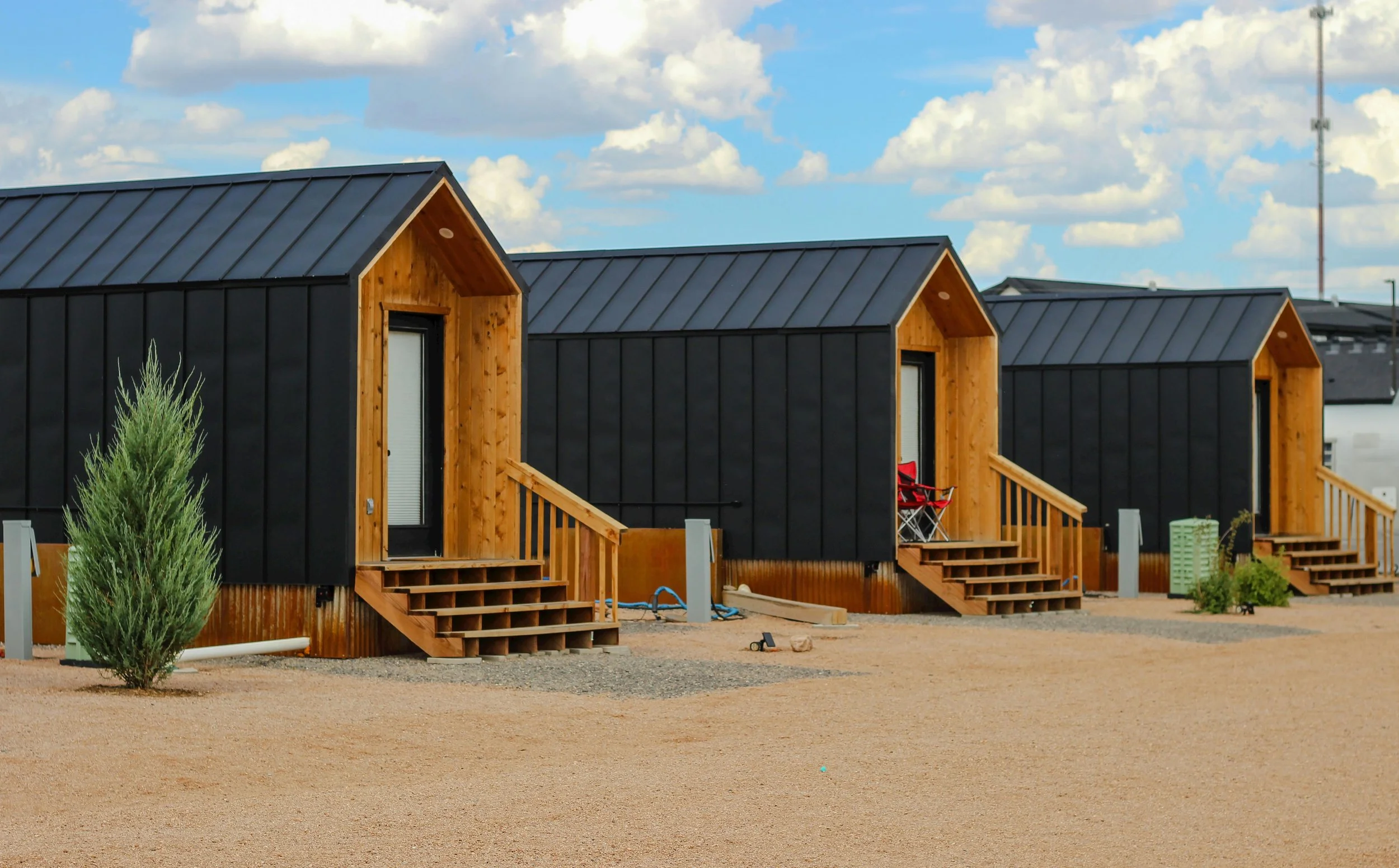
When a tiny home becomes a Class 1a dwelling:
A tiny home is generally treated as a Class 1a dwelling (a single home) when it is set up to be lived in as a residence, or as a rental property. A Class 1a dwelling includes facilities such as a kitchen, bathroom or shower, toilet, a wash basin and clothes washing facilities. As a class 1a dwelling, it will still require appropriate approvals and compliance under the National Construction Code (NCC).
When a tiny home becomes a Class 1b building:
A tiny home may be treated as a Class 1b building when it is used for short-stay / guest / shared accommodation rather than a single private residence or long term rental. If you are told 'it is certified' and it is a home on wheels, it will be treated as a caravan. Unless you are approved for a tourist park use, then you may be breaching council local laws. Under the NCC, a Class 1b includes a boarding house, guest house or hostel with a floor area under 300m² and typically fewer than 12 occupants, and it can also include 4 or more separate dwellings on one allotment used for short-term holiday accommodation.
SDRC allows occupation of a temporary home (e.g. tiny home on wheels / caravan / shed) only when you hold a current Temporary Accommodation approval, typically during construction or renovation of a dwelling on the same land.
The classification of your tiny home depends on how it’s used, not just what it looks like, so you need to confirm the intended use and classification early with the relevant building approval pathway if you are thinking of using the tiny home for short-term accommodation.

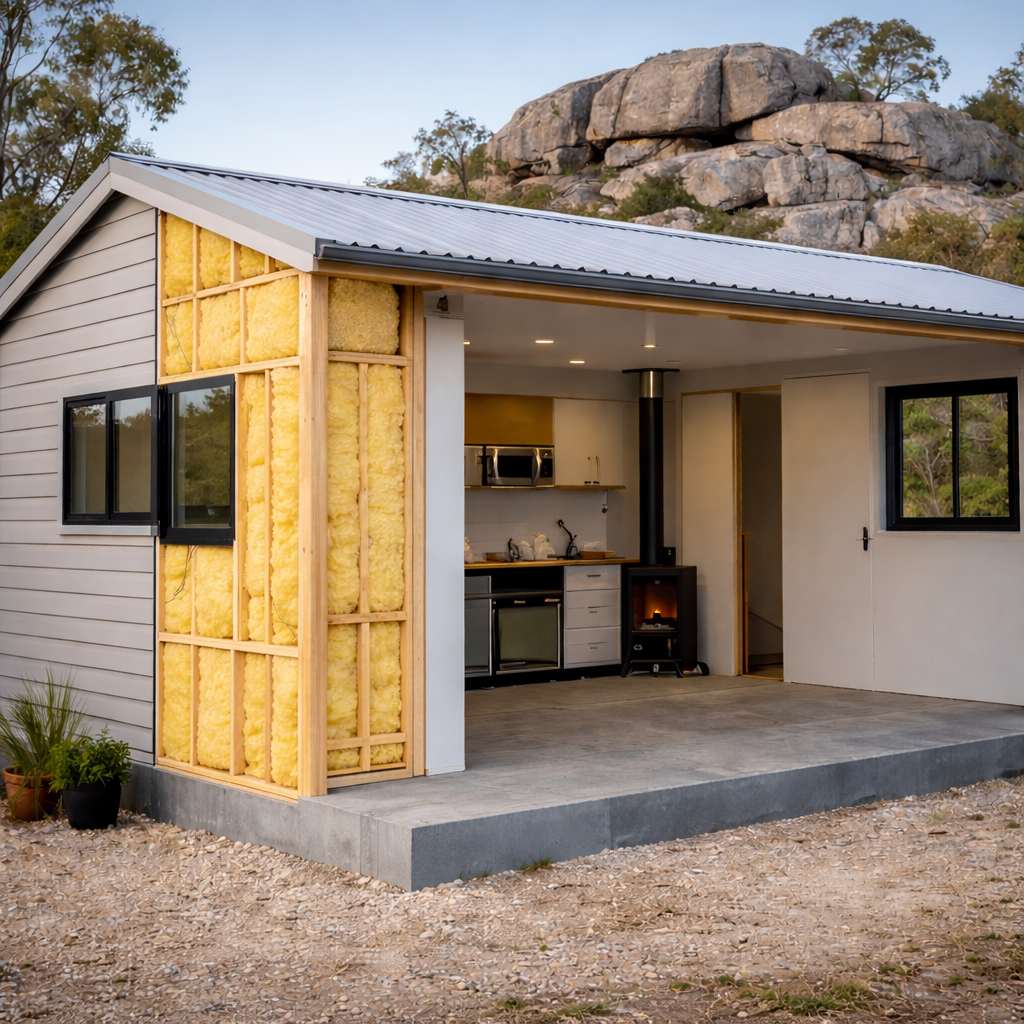
National Construction Code requirements:
For a Class 1a or Class 1b building, it will need to meet requirements for structural compliance, fire safety, health and amenity, waterproofing, bushfire compliance and energy efficiency.
Certification requirements:
Class 1a tiny homes have to meet building approval requirements, including Form 15 certification for relevant building designs or specifications (for example, structural design) and Form 12 certification for required inspections of specific aspects of work. If these are missing, it can be difficult and expensive to get retrospective approval.
Livable housing design requirements:
Class 1a tiny homes need to meet minimum livable housing features. This can affect layout and detailing, especially in small spaces.
Energy efficiency, including windows and glazing
Energy efficiency requirements apply - including appropriate insulation, ventilation, shading and compliant window and glazing performance. Houses, irrespective of their size, need to achieve a 7 star energy efficiency rating.
Plumbing, drainage and electrical compliance
Services must be compliant and carried out by the right licensed trades, with evidence such as waterproofing, plumbing and drainage approvals and inspection evidence where required, plus electrical testing and compliance documentation.
Mandatory seller disclosure when selling a property with a tiny home
If you sell a property with a tiny home installed, it needs to be treated like any other buildings on a property for mandatory seller disclosure. That means the required disclosure statement and certificates need to reflect what is on the land, so buyers can understand approvals and constraints.
Before buying, confirm the intended use, classification, approvals, and certification requirements.